Best safety equipment
Best safety equipment for 2026: the essentials every high-risk site should review
From connected gas monitors to fall arrest and breathing apparatus, a curated overview of the equipment categories that matter most, and how to choose.

Every year brings new safety products, but the categories that prevent serious injuries remain remarkably stable: detecting hazardous atmospheres, preventing falls, protecting the body and responding when things go wrong. What changes is the technology inside them — connectivity, better ergonomics, longer battery life and data that feeds into safety management systems. This article is a curated overview of essential equipment categories for 2026, with criteria for choosing well. It is not a product test.
How this list was made. This is an editorial shortlist based on public information: scope, recognition, availability and fit for typical HSE roles. We have not tested products or courses, received payment or ranked vendors against each other. Always confirm current details with the provider.
Our criteria
- Hazard fit. Does the category address a hazard that can cause serious injury or death?
- Standards. Is equipment certified to recognised standards in your region?
- Usability. Will workers wear or use it for a full shift?
- Support. Are calibration, inspection, spare parts and training available locally?
- Data. Can it share information with your safety systems where that adds value?
1. Personal and area gas detection
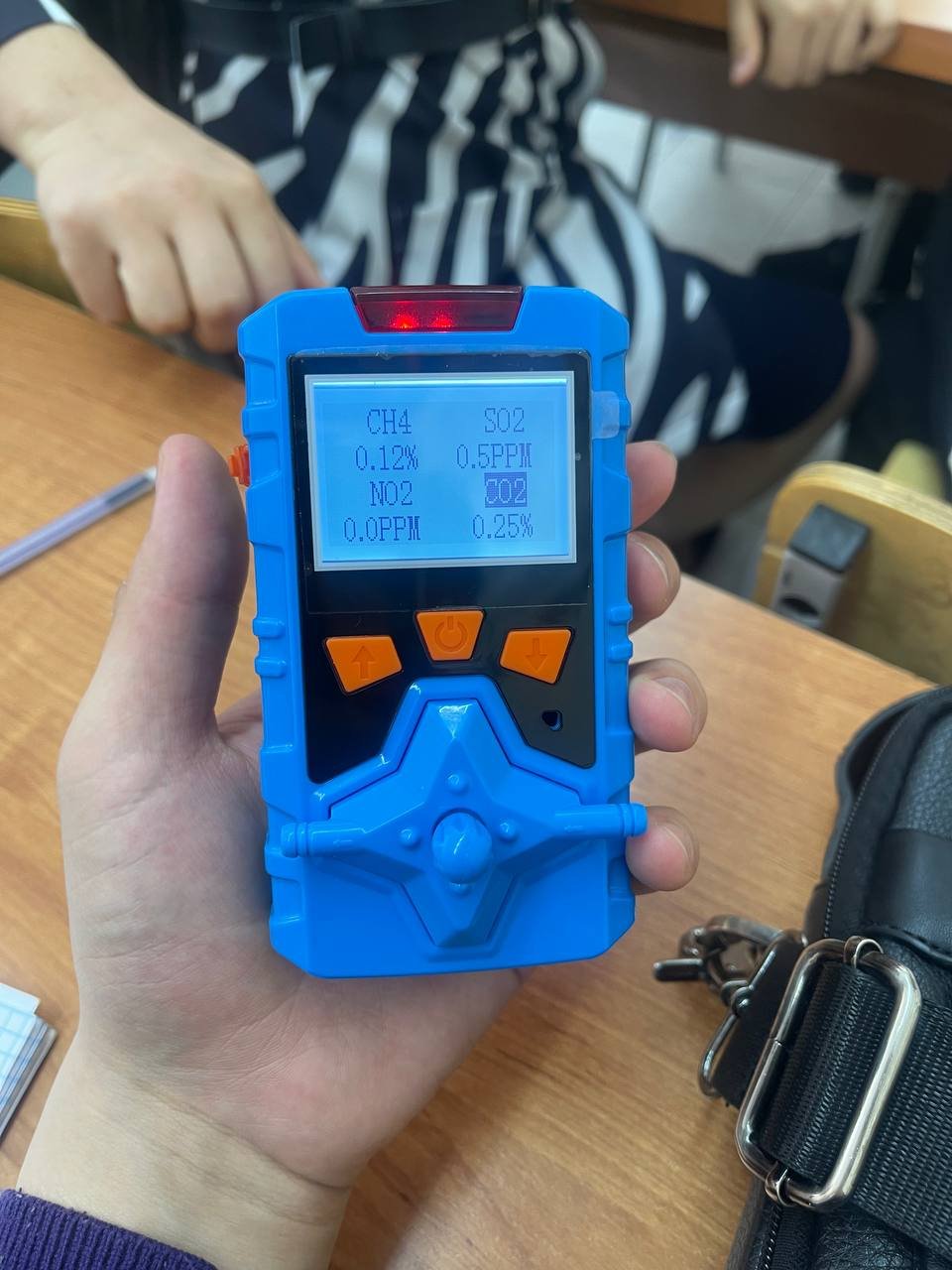
Toxic gases, flammable atmospheres and oxygen deficiency are invisible. Personal multi-gas monitors are standard in oil and gas, utilities, wastewater and confined space work. The trend is connectivity. Industrial Scientific, for example, describes connected gas detection, gas monitoring services, and real‑time safety software for hazardous work environments.3 Its current range includes the Tectra iX5 is a next generation personal gas monitor detecting up to five gases3 and the Axen AX4 is a practical 4-gas monitor built for contractors, rental fleets, and everyday gas monitoring.3 Whatever the brand, budget for bump testing, calibration and sensor replacement, and decide who will respond to connected alarms.
2. Fall protection systems
Falls from height remain one of the leading causes of workplace fatalities. Fall protection is a system, not a harness. As Guardian puts it, Workers at height depend on more than the individual components of a fall protection system4. Anchors, connectors, lanyards or self-retracting lifelines, harnesses and a rescue plan must all be compatible. Prefer collective measures such as guardrails first, then restraint systems that stop a worker reaching the edge, and use fall arrest only where those are not practical.
3. Respiratory protection and breathing apparatus
For routine dust and vapour exposures, filtering respirators and powered air-purifying respirators are the workhorses. For the most dangerous atmospheres, breathing apparatus is essential. A self-contained breathing apparatus (SCBA) is a respirator worn to provide an autonomous supply of breathable gas in an atmosphere that is immediately dangerous to life or health from a gas cylinder.2 They are typically used in firefighting and industry.2 SCBA needs trained users, cylinder management and regular servicing, so it belongs in a planned emergency and rescue capability.
4. Core PPE
Personal protective equipment (PPE) is protective clothing, helmets, goggles, or other garments or equipment designed to protect the wearer's body from injury or infection.1 The hazards addressed by protective equipment include physical, electrical, heat, chemical, biohazards, and airborne particulate matter.1 Review head, eye and face, hearing, hand and foot protection plus protective clothing against your hazard assessment. Our separate guides cover hard hats, hearing, respiratory and hand protection in detail.
5. Multi-category suppliers
Some suppliers span several categories, which can simplify compatibility and training. Mine Safety Appliances, or MSA Safety Incorporated, is an American manufacturer and supplier of safety equipment designed for use in a variety of hazardous conditions in industries such as construction, the military, fire service, and chemical, oil, and gas production.5 Single-category specialists often lead on depth; weigh both approaches.
6. Emergency response equipment
Emergency showers and eyewash stations, first aid kits, defibrillators, spill kits, rescue tripods and stretchers are easy to overlook until they are needed. Check that they are located within reach of the hazard, inspected on schedule and that people know how to use them. Run drills that actually use the equipment.
Standards and industry resources
Trade associations can help you keep up with standards. The International Safety Equipment Association describes itself as The go-to resource for PPE standards, industry insights, and product guides.6 Use such resources alongside national regulators and your own competent advisers.
Making the investment case
Equipment budgets compete with production needs. Build the case on risk reduction for your highest-severity hazards, regulatory requirements, and total cost of ownership including calibration, inspection and replacement. Connected equipment adds software costs but can reduce manual record-keeping and speed up response. Pilot on one site, measure usage and alarm response, then scale.
Remember where equipment sits in the hierarchy
The purpose of personal protective equipment is to reduce employee exposure to hazards when engineering controls and administrative controls are not feasible or effective to reduce these risks to acceptable levels.1 PPE has the serious limitation that it does not eliminate the hazard at the source and may result in employees being exposed to the hazard if the equipment fails.1 Fixed equipment such as guarding, ventilation, gas detection and barriers usually gives more reliable protection than items workers wear.
Core items and what to check
| Item | Purpose | Check |
|---|---|---|
| Safety footwear | A steel-toe boot (also known as a safety boot, steel-capped boot, steel toecaps or safety shoe) is a durable boot or shoe that has a protective reinforcement in the toe which protects the foot from falling objects or compression.7 | Slip resistance, puncture protection, electrical properties |
| High-visibility clothing | Health and safety regulations often require the use of high visibility clothing as it is a form of personal protective equipment.8 | Class, condition of reflective tape, wash life |
| Harnesses | A safety harness is a form of protective equipment designed to safeguard the user from injury or death from falling.9 | Inspection before use, periodic competent inspection, rescue plan |
| Breathing apparatus | A self-contained breathing apparatus (SCBA) is a respirator worn to provide an autonomous supply of breathable gas in an atmosphere that is immediately dangerous to life or health from a gas cylinder.2 | Cylinder pressure, servicing, trained users |
Inspection and maintenance
Equipment fails silently if not maintained. Set inspection intervals, tag items with their status, quarantine defective items and keep records. Assign responsibility by area.
Key takeaways
- Prioritise equipment for hazards that can kill: atmospheres, falls, energy and emergencies.
- Treat fall protection and gas detection as systems with maintenance and response plans.
- Choose certified equipment workers will actually use, and pilot before you scale.
Frequently asked questions
Is connected gas detection worth the extra cost?
It can be, especially for lone workers and large sites, because alarms reach a monitoring person in real time. You still need clear response procedures and someone to watch the alerts.
How often should fall protection be inspected?
Users should inspect before each use, and a competent person should carry out periodic detailed inspections at intervals set by regulations and the manufacturer.
Do we need SCBA on site?
Only if your risk assessment identifies atmospheres that may be immediately dangerous to life or health and you plan to enter them, for example for rescue. Otherwise, rely on trained external responders and plan accordingly.
Does this list rank brands?
No. It is a curated overview of categories with examples. Evaluate suppliers against your own needs.
Sources
Every factual statement marked with a number links to the source below. Sources were retrieved on 23 October 2026; check the publisher for later revisions.
- Personal protective equipment (Wikipedia) en.wikipedia.org
- Self-contained breathing apparatus (Wikipedia) en.wikipedia.org
- Industrial Scientific industrialscientific.com
- Guardian Fall Protection guardianfall.com
- MSA Safety (Wikipedia) en.wikipedia.org
- International Safety Equipment Association safetyequipment.org
- Steel-toe boot (Wikipedia) en.wikipedia.org
- High-visibility clothing (Wikipedia) en.wikipedia.org
- Safety harness (Wikipedia) en.wikipedia.org