Best trainings
Essential HSE training for 2026: a curated guide for employers and workers
OSHA Outreach, IPAF, PASMA, CSCS and IOSH courses cover different needs. A practical overview of recognised training and how to build a training matrix.

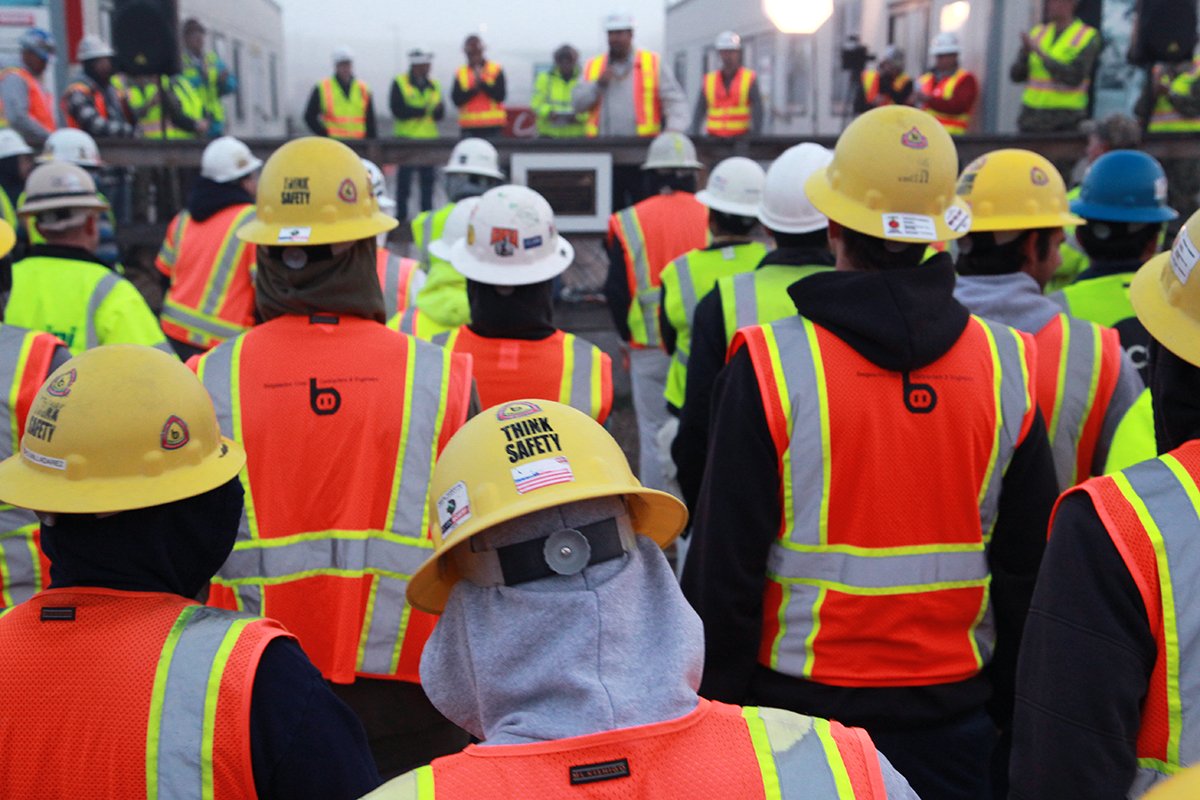
Training is one of the most common HSE controls and one of the easiest to get wrong. Courses are booked because a client requires a card, attendance is recorded, and nobody checks whether behaviour on site changes. Good training starts with the hazards of the job, uses recognised schemes where they exist and is reinforced by supervision. This guide covers widely recognised training schemes for 2026 and how to build a training matrix around them.
How this list was made. This is an editorial shortlist based on public information: scope, recognition, availability and fit for typical HSE roles. We have not tested products or courses, received payment or ranked vendors against each other. Always confirm current details with the provider.
Our criteria
- Recognition by regulators, clients or industry bodies.
- Practical content tied to real tasks and equipment.
- Quality control through approved centres and instructors.
- Verifiable records such as cards or certificates.
General awareness: OSHA Outreach
In the US, The OSHA Outreach Training Program provides workers with basic and more advanced training about common safety and health hazards on the job.1 Students receive an OSHA 10-hour or 30-hour course completion card at the end of the training.1 The 10-hour course suits entry-level workers; the 30-hour course suits supervisors and those with safety responsibilities. Note that cards are issued by trainers: trainers have 90 days after course completion to issue cards1.
Supervisor and manager courses: IOSH
IOSH's training network delivers well known courses including Leading Safely, Managing Safely and Working Safely.5 These short courses suit managers and supervisors who need practical understanding rather than a full qualification. For those wanting a formal qualification, the NEBOSH International General Certificate in Occupational Health and Safety has been reviewed and updated for 2026.6
Working at height: IPAF and PASMA
For powered access, The International Powered Access Federation (IPAF) training programme is globally recognised, developed by leading industry professionals and available in multiple languages across a worldwide network of more than 845 IPAF Approved Training Centres.2 The comprehensive range of classroom and eLearning courses covers mobile elevating work platforms (MEWPs) including boom, scissor, 1B, 3A and 3B categories of machines, mast climbing work platforms (MCWP) and construction hoists (CH).2 Courses exist for operators, service technicians, delivery drivers, managers/supervisors, demonstrators, installers and instructors.2
For mobile access towers, PASMA is the international not-for-profit association for the mobile access tower industry.3 It provides and oversees the industry standard training scheme3.
Construction site cards: CSCS
In the UK construction sector, CSCS cards show that workers have appropriate training and qualifications. CSCS warns that It's crucial to hold the right CSCS card for the job you do and you may be refused entry to site without it.4 Its Card Finder helps workers identify the right card.
Other core topics
Most sites also need training in first aid, fire safety and evacuation, manual handling, hazard communication and chemical safety, confined spaces, lockout/tagout, permit to work and PPE use. Use recognised providers where national schemes exist, and add site-specific induction covering local hazards, emergency arrangements and rules.
Building a training matrix
- List roles, including contractors and temporary workers.
- Map hazards for each role from risk assessments.
- Define required training for each hazard: course, level and refresher interval.
- Schedule training before people start the task, not after.
- Keep records with card numbers, expiry dates and evidence of competence.
- Refresh and review when tasks, equipment or incidents show a gap.
Making training stick
Training transfers to the job when supervisors reinforce it. Follow courses with toolbox talks, observations and coaching on site. Ask workers to demonstrate skills, not just pass a quiz. Track leading indicators such as observation findings and near-miss reports by trained teams. When incidents occur, check whether training was relevant, current and understood, and update the matrix accordingly.
Choosing a provider
Verify that the provider is approved by the scheme owner, ask about instructor experience and practical facilities, and request sample materials. For multinational organisations, choose schemes recognised in all operating regions or plan local equivalents.
US outreach cards: what they are and are not
The OSHA Outreach Training Program provides workers with basic and more advanced training about common safety and health hazards on the job.1 Students receive an OSHA 10-hour or 30-hour course completion card at the end of the training.1 Two details are often missed. First, the Outreach Training Program provides basic safety and health information and education — it does not fulfill an employer's requirement to provide training under specific OSHA standards.1 Second, OSHA does not keep records of Outreach training classes conducted by authorized trainers.1 Employers therefore need their own records and still need task-specific training.
Topic-specific training most sites need
| Topic | Why | Key content |
|---|---|---|
| Hazard communication | Chemicals on almost every site | Labels and safety data sheets; the Hazard Communication Standard (HCS) is now aligned with the Globally Harmonized System of Classification and Labeling of Chemicals (GHS).7 |
| Confined spaces | Hazards in a confined space often include harmful dust or gases, asphyxiation, submersion in liquids or free-flowing granular solids (for example, grain bins), electrocution, or entrapment.8 | Permits, atmospheric testing, attendants, rescue |
| Electrical safety | Arc flash and shock | NFPA 70E (Standard for Electrical Safety in the Workplace) is a standard of the National Fire Protection Association (NFPA).9 Approach boundaries, energised work permits, PPE |
| Working at height | Falls remain a leading cause of fatalities | Fall arrest, rescue plans, ladders and platforms |
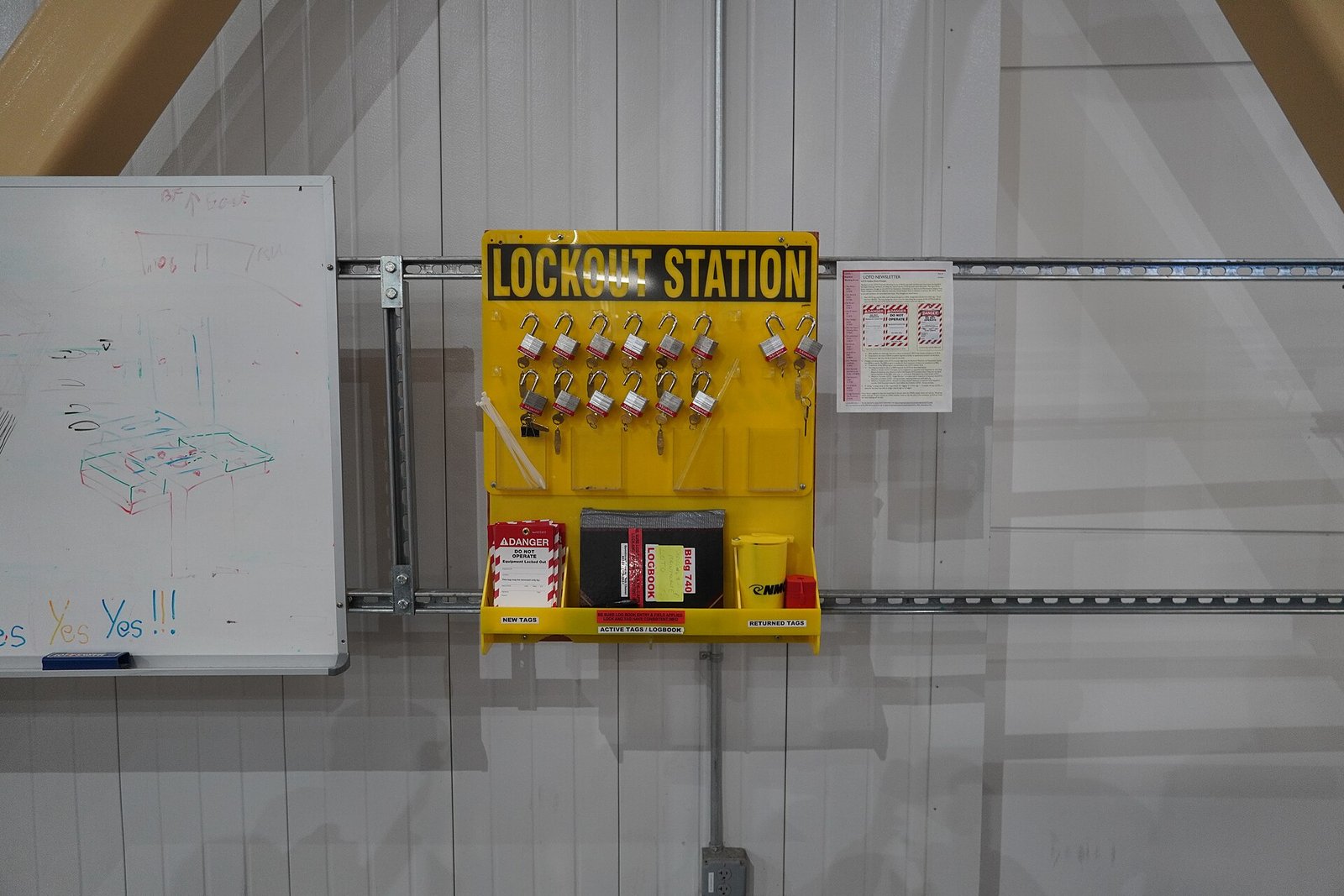
| Lockout/tagout | Hazardous energy during maintenance | Isolation, verification, group lockout |
| Heat stress | Seasonal and indoor hot work | Acclimatisation, water-rest-shade, symptoms |
Designing training that changes behaviour
- Start from the risk assessment: train for the hazards people actually face.
- Use practical sessions: fitting a harness, testing an atmosphere, applying a lock.
- Assess competence: observe the task, not just a quiz score.
- Follow up on the job: supervisors coach and correct in the first weeks.
- Refresh: short refreshers and toolbox talks between formal courses.
Training supervisors and managers
Supervisors shape daily behaviour. Training for them should cover running pre-task briefings, checking permits, stopping unsafe work and responding to reports without blame. Managers need training in risk-based decisions, resourcing controls and leading incident investigations. Professional bodies offer courses for these levels: this includes an extensive trainer network who deliver well known courses including Leading Safely, Managing Safely and Working Safely.5
Records
Keep a training matrix by role with expiry dates, course content, trainer and evidence of competence. It is the first thing auditors and investigators ask for.
Key takeaways
- Start from roles and hazards, then choose recognised schemes such as OSHA Outreach, IPAF, PASMA, CSCS and IOSH courses.
- Keep verifiable records with expiry dates and schedule refreshers.
- Reinforce training on site through supervision and coaching.
Frequently asked questions
Is OSHA 10 or 30 training mandatory?
The Outreach program is voluntary at federal level, but some states, employers and clients require it. Check your local and contractual requirements.
Do IPAF cards expire?
IPAF cards carry validity periods. Check the card and IPAF guidance for current rules.
Can online training replace practical training?
Online modules can cover knowledge, but equipment operation and practical skills need hands-on training and assessment.
How often should training be refreshed?
Follow scheme rules and regulations, and refresh sooner after incidents, changes in equipment or poor observation results.
Does an OSHA 10 card satisfy all training obligations?
No. OSHA states outreach training does not fulfill employer training requirements under specific standards.
How often should refreshers happen?
Follow legal and standard-specific intervals, and add short refreshers when tasks, equipment or incidents show a need.
Sources
Every factual statement marked with a number links to the source below. Sources were retrieved on 23 October 2026; check the publisher for later revisions.
- OSHA Outreach Training Program osha.gov
- IPAF training ipaf.org
- PASMA pasma.co.uk
- CSCS cscs.uk.com
- IOSH (Wikipedia) en.wikipedia.org
- NEBOSH International General Certificate nebosh.org.uk
- https://www.osha.gov/hazcom osha.gov
- Confined space (Wikipedia) en.wikipedia.org
- NFPA 70E (Wikipedia) en.wikipedia.org