Best PPE
Head protection in 2026: choosing hard hats, bump caps and accessories
From the first “hard-boiled hat” to today’s HDPE shells, a sourced guide to how head protection works and how to select it.

The hard hat is the most recognisable symbol of industrial safety, yet head protection is still often chosen by habit. Modern helmets vary in materials, electrical ratings, ventilation, chin straps and accessories. Choosing well starts with understanding what the helmet is designed to do.
What a hard hat does
A hard hat is a type of helmet predominantly used in hazardous environments such as industrial or construction sites to protect the head from injury due to falling objects (such as tools and debris), impact with other objects, and electric shock, as well as from rain.1 The suspension is as important as the shell: Suspension bands inside the helmet spread the helmet's weight and the force of any impact over the top of the head.1 It also creates a gap — approximately 30 mm (1.2 inches) between the helmet's shell and the wearer's head1 — so an impact is less likely to be transmitted to the skull.
A short history
In 1919 Bullard patented a "Hard-Boiled hat" made of steamed canvas, glue and black paint.1 Mandatory use followed on major projects: On the Hoover Dam project in 1931, hard hat use was mandated by Six Companies, Inc.1 Materials evolved quickly: Fiberglass came into use in the 1940s.1 Injection-molded thermoplastics appeared in the 1950s, and began to dominate in the 1960s.1 Today, most hard hats are made from high-density polyethylene (HDPE) or advanced engineering resins, such as Ultem.1 Comfort has improved too: In 1997, ANSI allowed the development of a ventilated hard hat to keep wearers cooler.1
Helmet or bump cap?
A bump cap is a lightweight hard hat using a simplified suspension or padding and a chin strap.1 It has a narrow use: Bump caps are used where there is a possibility of scraping or bumping one's head on equipment or structure projections but are not sufficient to absorb large impacts, such as that from a tool dropped from several stories.1 If anything can fall from above, a bump cap is not adequate.
Selection factors
- Impact direction. Top impact only, or top and lateral impacts — relevant where workers may fall or be struck from the side.
- Electrical protection. Ventilated helmets are not suitable where electrical insulation is needed; choose a non-vented shell rated for the voltage exposure.
- Heat and molten metal. Some environments need shells rated for high temperatures or splash.
- Retention. Chin straps reduce the risk of the helmet coming off during a fall or when working at height or bent over.
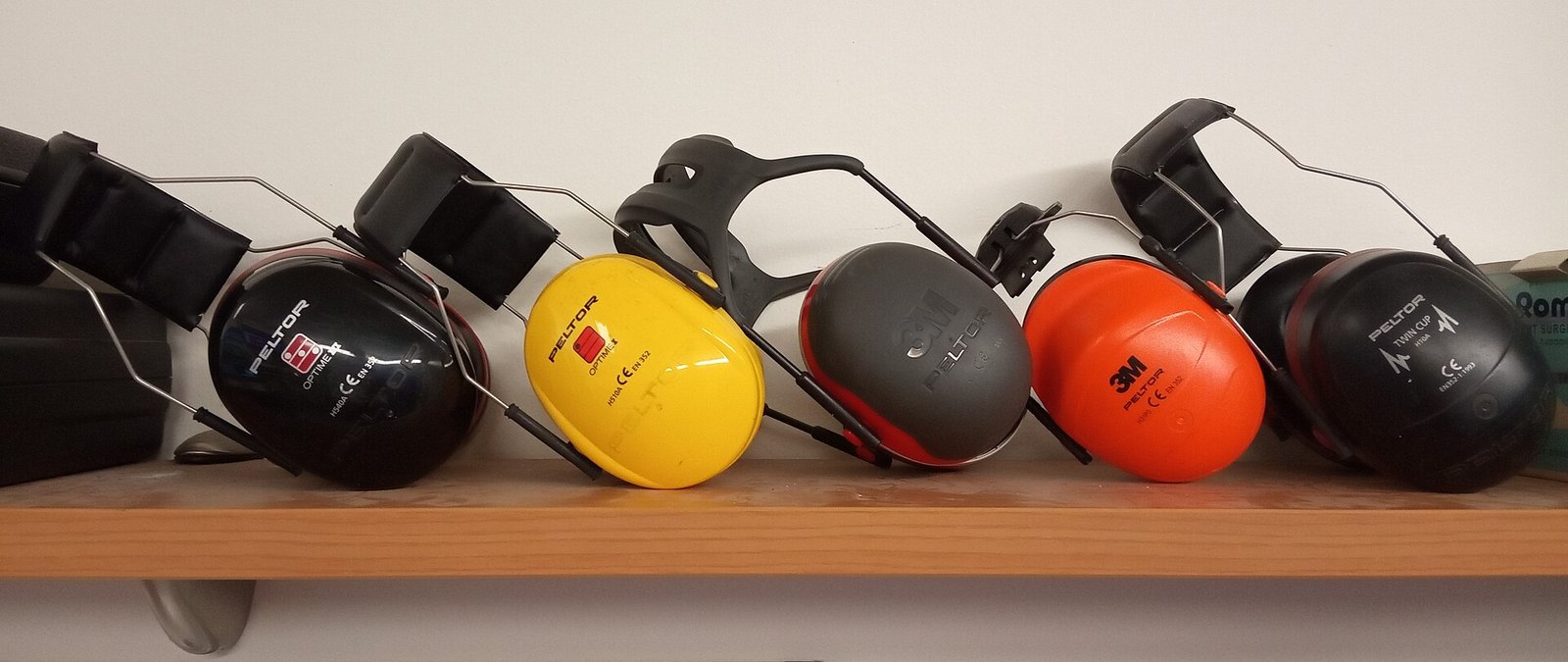
- Accessories. Accessories such as face shields, sun visors, earmuffs, and perspiration-absorbing lining cloths could also be used; today, attachments include radios, walkie-talkies, pagers, and cameras.1 Only use accessories approved by the helmet manufacturer, since drilling or adding non-approved items can compromise protection.
- Fit and comfort. Adjustable suspensions, sizes and sweatbands encourage people to keep helmets on.
Standards to look for
Head protection is certified to regional standards — for example ANSI/ISEA Z89.1 in the US and EN 397 or EN 12492 in Europe. Check that the marking inside the shell matches the protection you need, and specify the standard in purchase orders. Mountaineering-style helmets are increasingly used on industrial sites for work at height, because the role is similar: The rock climbing helmet fulfills a very similar role in a different context and has a very similar design.1
Inspection, care and replacement
Inspect shells and suspensions before each use for cracks, dents, discolouration, chalky surfaces and brittle suspension straps. Replace any helmet that has taken a significant impact, even without visible damage. Follow the manufacturer’s service life guidance and record issue dates. Keep helmets out of vehicle rear windows and other hot, sunny places, which degrade plastics. Do not paint or apply solvents unless the manufacturer allows it.
Programme essentials that apply to all PPE
Whatever the item, the same programme logic applies. In the US, The employer shall assess the workplace to determine if hazards are present, or are likely to be present, which necessitate the use of personal protective equipment (PPE).3 That assessment must be documented: The employer shall verify that the required workplace hazard assessment has been performed through a written certification3. OSHA adds that PPE should fit comfortably, encouraging worker use.2 and warns that If the personal protective equipment does not fit properly, it can make the difference between being safely covered or dangerously exposed.2
Buyer’s checklist
- Hazard assessment completed and recorded for each work area.
- Required standard and type or class written into the purchase specification.
- Electrical rating confirmed where electrical work or overhead lines exist.
- Chin strap requirement defined for work at height.
- Compatibility checked with earmuffs, face shields, headlamps and communications.
- Sizes available for all workers, including smaller head sizes.
- Service life, inspection guidance and replacement parts available from the supplier.
- Colour coding agreed if used to identify roles, and explained in site induction.
Ask a small group of workers to trial two or three models for a few weeks before committing. Comfort and stability over a full shift are hard to judge in a showroom.
How a hard hat works
Suspension bands inside the helmet spread the helmet's weight and the force of any impact over the top of the head.1 A suspension also provides space of approximately 30 mm (1.2 inches) between the helmet's shell and the wearer's head, so that if an object strikes the shell, the impact is less likely to be transmitted directly to the skull.1 This is why a damaged or badly adjusted suspension compromises protection even if the shell looks fine.
Care and replacement
- Inspect shell and suspension before each use.
- Replace after any significant impact.
- Follow the manufacturer's service life guidance.
- Avoid stickers, paints or solvents not approved by the manufacturer.
- Store away from direct sunlight and heat.
Check compatibility with earmuffs, visors and lamps from the same system.
Key takeaways
- Use a hard hat where anything can fall or strike the head; bump caps are only for minor bumps.
- Match electrical, heat and lateral impact ratings to your hazard assessment.
- Inspect before each use and replace after impact or at the end of service life.
Frequently asked questions
How often should hard hats be replaced?
Follow the manufacturer’s service-life guidance for the shell and suspension, and replace immediately after a significant impact or if inspection shows damage.
Can I wear a hard hat backwards?
Only if the manufacturer marks the helmet as approved for reverse wear, typically with the suspension also reversed.
Are vented helmets safe?
Yes for impact protection, but they do not provide electrical insulation. Use a non-vented, electrically rated helmet where electrical hazards exist.
Can we put stickers on hard hats?
Some manufacturers allow certain labels. Check the instructions, because adhesives and paints can affect some plastics and hide damage.
When should a chin strap be used?
Where helmets could fall off, such as when working at height, climbing, bending or in windy conditions.
Do bump caps replace hard hats?
No. Bump caps protect against minor bumps only, not falling objects, and should never be used where hard hats are required.
Are chin straps needed?
They are recommended when working at height or in windy conditions so the helmet stays on.
Sources
Every factual statement marked with a number links to the source below. Sources were retrieved on 23 October 2026; check the publisher for later revisions.
- Hard hat (Wikipedia) en.wikipedia.org
- Personal Protective Equipment (OSHA) osha.gov
- 29 CFR 1910.132 General requirements (OSHA) osha.gov